Summary

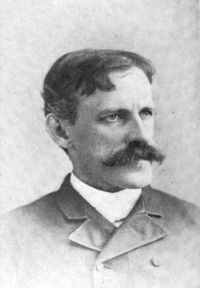
Portrait of William Elliot Griffis William Elliot Griffis The Story of New Netherland — Chapter XVII: Social Life in New Netherland (1909)

The Domine, in his gown and bands, was never happier than at this binding of hearts for the making of a home, and for the enlargement of all sweet human relationships and influences. The marriage ritual of the Dutch, like the national art, is as full of realism as is a canvas of Rembrandt or Jan Steen. It starts out, as does its catechism, with the idea of comfort and consolation. It faces the fact that the nuptial bond doubles at once both joys and sorrows.
Source: Wikisource

Portrait of William Elliot Griffis William Elliot Griffis The Story of New Netherland — Chapter XVII: Social Life in New Netherland (1909)

In no lands were the laws more favorable to women. Such development had its roots far back in the Middle Ages.
To New Netherland the woman brought her inherited habit and her strict training: first, to make of temporary quarters — the straw shack, the bark house, or the hut of boards — a home, and then, to transform it into a dwelling rich in comforts. Unceasing industry, thrift, and hatred of waste, as of dirt and laziness, enabled the settler in a year of good harvests to begin wealth, or in poor times to bear bravely enforced poverty.
Source: Wikisource

Portrait of William Elliot Griffis William Elliot Griffis The Story of New Netherland — Chapter XVII: Social Life in New Netherland (1909)

As a rule, all the family, the parents up in the heights of piled feather beds or mattresses, and children in the trundle beds beneath, slept in pure cold air, for the great open chimney was a capital ventilator. “When hearts are light and life is new,” slumber after prayers was usually too sudden and too sound to know much of the variations of the thermometer.
Source: Wikisource

Get perspective with Kwize: daily news enlightened by great literature