Summary

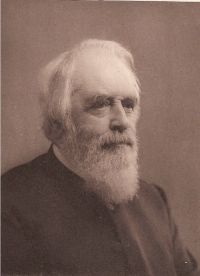
Portrait of William Garden Blaikie William Garden Blaikie The Personal Life of David Livingstone…

In my past life, I have always managed to think for myself, and act accordingly. I have occasionally met with people who took it on themselves to act for me, and they have offered their thoughts with an emphatic 'I think'; but I have excused them on the score of being a little soft-headed in believing they could think both for me and themselves."
While Kolobeng was Livingstone's headquarters, a new trouble rose upon the mission horizon. The Makololo (as Sebituane's people were called) began to practice the slave-trade. It arose simply from their desire to possess guns.
Source: Wikisource

Portrait of William Garden Blaikie William Garden Blaikie The Personal Life of David Livingstone…

Neither insist on our rights, nor appear as if we could allow our goods to be destroyed without regret: for if we are righteous overmuch, or stand up for our rights with too much vehemence, we beget dislikes, and the people see no difference between ourselves and them. And if we appear to care nothing for the things of this world, they conclude we are rich, and when they beg, our refusal is ascribed to niggardliness, and our property, too, is wantonly destroyed.
Source: Wikisource

Portrait of William Garden Blaikie William Garden Blaikie The Personal Life of David Livingstone…

As this furnishes the key to Livingstone's future life, and the answer to one of the most serious objections ever brought against it, it is right to spend a little time in elucidating the principles by which he was guided.
There was a saying of the late Sir Herbert Edwardes which he highly valued: "He who has to act on his own responsibility is a slave if he does not act on his own judgment." Acting on this maxim, he must set aside the views of others as to his duty, provided his own judgment was clear regarding it.
Source: Wikisource

Get perspective with Kwize: daily news enlightened by great literature