African tribes

Definition and stakes

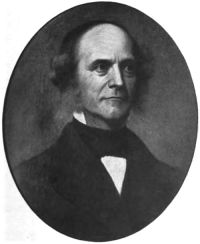
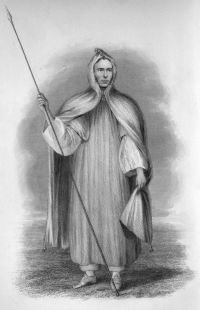
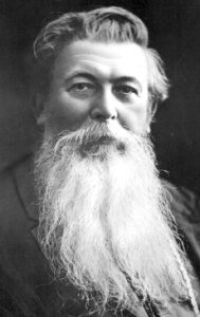
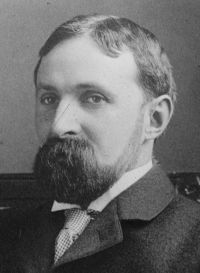
Portrait of Albert Bushnell Hart Albert Bushnell Hart,  The Southern South

“ The truth is that the African tribes, with all their ferocity and immorality, had advanced farther in the path of civilization previous to their first contact with the Europeans than the North American Indians of the Atlantic and Mississippi regions; they had gone farther in the arts, had built up more numerous communities, and established a more complex society. The curse of Africa, from which the Indians were not free, was slavery and slave-hunting, which from time immemorial have led to ferocious wars and reckless destruction of life. ”
Source: Gutenberg

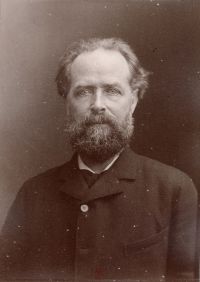
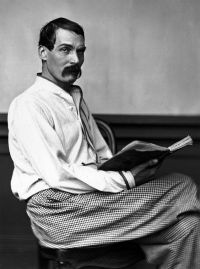
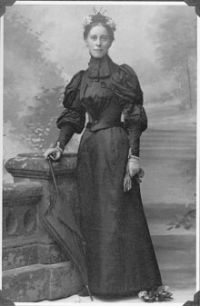
Portrait of Mary Henrietta Kingsley Mary Henrietta Kingsley,  West African studies

“ It is undoubtedly the wildest bit of West Africa.
The dominant tribes here have, for as far back as we can get evidence—some short four hundred years—been tribes of the Mpongwe stem—the so-called noble tribes. To-day they are dying—going off the face of the earth, leaving behind them nothing to bear testimony in this world to their great ability, save the most marvellously beautiful language, the Greek of Africa, as Dr. Nassau calls it, and the impress of their more elaborate thought-form on the minds of the bush tribes that come into contact with them.
”
Source: Gutenberg

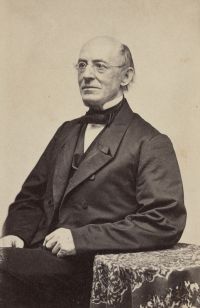
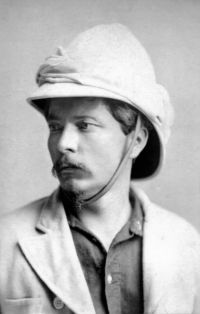
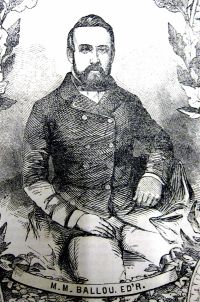
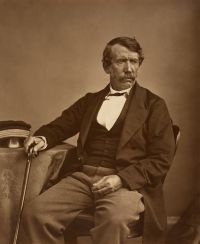
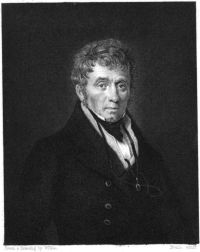
Portrait of William Lloyd Garrison William Lloyd Garrison,  Thoughts on African Colonization

“ The population of Africa is divided into a vast number of tribes, governed by petty kings,—sometimes indeed united by an amicable league, but commonly distinct and independent. Some of these tribes will form alliances with the colonists, either to obtain protection from their more formidable rivals or from motives of fear, curiosity or selfishness. ”
Source: Gutenberg

Get perspective with Kwize: daily news enlightened by great literature