Ahaz I of Judah

Definition and stakes

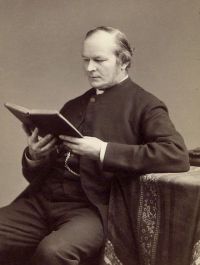
Portrait of F. W. Farrar F. W. Farrar The Expositor's Bible: The Second Book of Kings

Yet let not Ahaz exult too much in the immediate deliverance! Days of unexampled misery were at hand. Jehovah should hiss for the fly from the farthest canals of Egypt, and for the bee of Assyria, and they should settle in swarms in the valleys and pastures. Ahaz—he had not alluded to the design, but Isaiah knew it well—was about to hire a razor from beyond the Euphrates, but that razor should sweep away the hair and beard of Judah. Agriculture should languish, and the people should only be able to live in privation on whey and honey
Source: Gutenberg

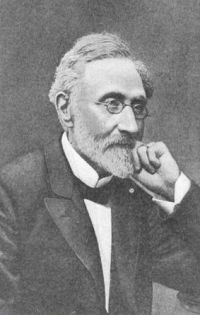
John Lord Beacon Lights of History, Volume 02…

Earnestly did the prophet-statesman expostulate with Ahaz, telling him that the king of Assyria would prove "a razor to shave but too clean his desolate land." The inspired advice was rejected; and the result of the alliance was that Judah, like Israel, fell to the rank of a subject nation, and became tributary to Assyria, and Ahaz, a mere vassal of Tiglath-pileser. The whole of Palestine became the border-land of the Assyrian empire, easy to be invaded and liable to be conquered.
Source: Gutenberg

Richard Hurd The works of Richard Hurd, volume 5…

We have innumerable instances of this sort in the Jewish prophets; but few, more remarkable than that of Isaiah’s prophecy, addressed to Ahaz, king of Judah, concerning his deliverance from the two kings of Samaria and Damascus. In the primary, but lower sense of this prophecy, the sign given was to assure Ahaz, that the land of Judæa should speedily be delivered from its two Royal invaders.
Source: Gutenberg

Get perspective with Kwize: daily news enlightened by great literature