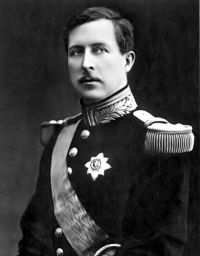
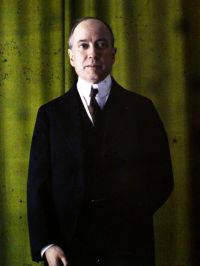
Albert I of Belgium

Definition and stakes

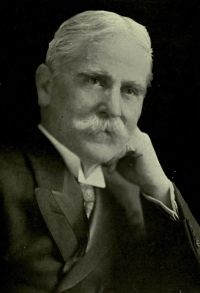
Portrait of Hall Caine Hall Caine The drama of three hundred and sixty-five days (1915)

But the war and King Albert's part in it saved Belgium from that unmerited obloquy. The modest, retiring, studious, almost shy but heroic young sovereign who, with his valiant little band, is fighting by the side of our own king's soldiers, and the soldiers of the Republic of France, has sustained the highest traditions of kingship. He may have lost his country at the hands of a great Power, drunk with pride, but he has won Immortality. He may have no more land left to him than his tent is pitched upon, but his spiritual empire is as wide as the world.
Source: Wikisource

The Story of the Great War, Volume 1

His successor was his younger brother's younger son, Albert I, a man who, though lacking, of course, his uncle's greater experience, seemed to have inherited some of his intellectual qualities. He married a Bavarian princess, a sister of the late Crown Princess of Bavaria, and a niece of the late Empress Elizabeth of Austria and the ex-Queen Mother of Portugal.
Belgium's populace consists of two widely different parts—Flemings and French. The former are closely related racially to the Dutch inhabitants of Holland, with which country Belgium formerly was united.
Source: Gutenberg

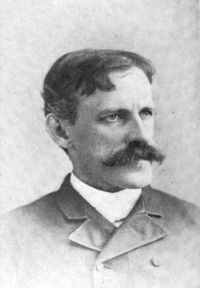
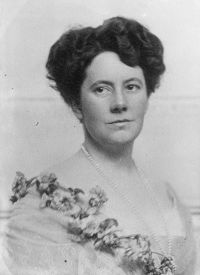
Infanta of Spain Eulalia Court Life From Within

He was less like a king in his palace than like a banker in his counting-house; and he left Belgium established in wealth. When his nephew, the present King Albert, succeeded to the throne it was the problems of wealth and the dissatisfaction of the working classes that confronted him. How tragic that fact sounds to-day with the country laid waste and despoiled and her people scattered. He is one of the few sovereigns in Europe who have clearly seen the power and virtue of the modern Socialist movement
Source: Gutenberg

Get perspective with Kwize: daily news enlightened by great literature