Aldus Manutius

Definition and stakes

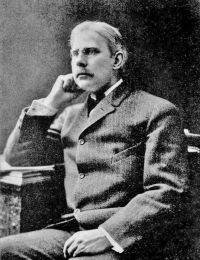
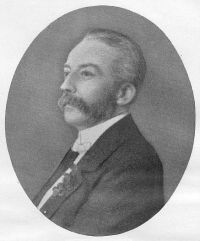
Portrait of Richard Claverhouse Jebb Richard Claverhouse Jebb,  The Cambridge Modern History, Volume 1… (1902)

“ Venice contributed, in 1484, the Greek Grammar (Erotemata) of Manuel Chrysoloras. At Florence, in 1488, Lorenzo Alopa, a Venetian, published a Homer, edited by Chalcondylas. Such was the general situation when Aldo commenced his labours. Most of the greater Latin classics had been printed; but of the Greek, only Homer, Hesiod's Works and Days, eighteen Idylls of Theocritus, and Isocrates.
Teobaldo Manucci, who Latinised his name into Aldus Manutius, and is now more usually called Aldo Manuzio, was born in 1450. His aim in youth was to qualify himself for the profession of a humanist.
”
Source: Wikisource

Henry Hallam,  Introduction to the Literature of Europe in the Fifteenth…

“ No other pope, I believe, has been guilty of what the Romans always deemed sacrilege. In such discouraging circumstances we could hardly wonder at what is reported, that Aldus Manutius, having been made professor of rhetoric at Rome, about 1589, could only get one or two hearers. But this, perhaps, does not rest on very good authority. [945] It is agreed that the Greek language was almost wholly neglected at the end of the century, and there was no one in Italy distinguished for a knowledge of it. Baronius must be reckoned a man of laborious erudition ”
Source: Gutenberg

Get perspective with Kwize: daily news enlightened by great literature