“ Andrea Del Sarto is a curious instance of the vital power of art, which, like a flower forcing its way to the light through walls or rocks, will find expression in spite of obstacles. Andrea the painter, "senza errori," was an artist in spite of lowering home influences, of want of encouragement in his patrons—for his greatest works only brought the smallest remuneration—and even in spite of his own nature, which was material, wanting in high aims, and deficient in ideality; yet his name lives for ever as a great master, and his works rank close to those of the leaders of the Renaissance. ”
Andrea del Sarto
Definition and stakes
Andrea del Sarto (1486–1530), an Italian painter of the High Renaissance, was renowned for his expertise in fresco, altarpiece, and portraiture, earning him the nickname senza errori ("without errors"). Though overshadowed after his death by contemporaries like Leonardo da Vinci and Michelangelo, his works exemplify a fusion of technical accuracy and emotional depth.
Giorgio Vasari praised his drawing and color, noting his potential had he possessed "more fire and boldness," while Robert Browning’s poem dramatized his supposed mismanagement of French patronage funds. Leader Scott emphasized his determination in the face of hardship, portraying his art as a symbol of endurance. These diverse viewpoints highlight his lasting reputation as a master whose talent, though often eclipsed by genius, remains essential in Renaissance art.
Quotes about “Andrea del Sarto”
Giorgio Vasari, Lives of the Most Eminent Painters Sculptors and Architects…
“ At length, after the Lives of many craftsmen who have been excellent, some in colouring, some in drawing, and others in invention, we have come to the most excellent Andrea del Sarto, in whose single person nature and art demonstrated all that painting can achieve by means of draughtsmanship, colouring, and invention, insomuch that, if Andrea had possessed a little more fire and boldness of spirit, to correspond to his profound genius and judgment in his art, without a doubt he would have had no equal. ”
Ethel M. Naish, Browning and Dogma
“ For an Andrea del Sarto—to a less profound student of character appearing as “an easy-going plebeian” satisfied with a social life among his compeers, as an artist “resting content in the sense of his superlative powers as an executant”—is offered the Andrea of the poem bearing his name; a sometime aspiring nature, now embittered by the struggle, wellnigh ended within the soul, between yearnings towards future greatness and the desire for present gain; a nature of insight sufficient to realize that the bonds of materialism are galling, of moral force inadequate to effect their rupture. ”
Related terms
Authors who wrote about “Andrea del Sarto”
Giorgio VasariLeader ScottF. A. Forbes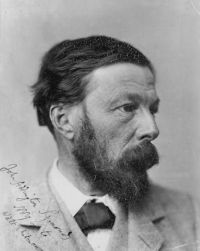 John Addington SymondsKatharine Haviland-TaylorEdmund G. Gardner
 Alexandre Dumas
 Elizabeth Butler
 Robert BrowningEthel M. Naish
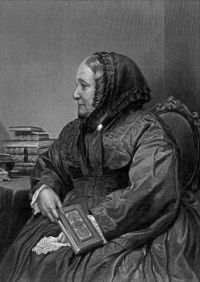 Mrs. Jameson
 Edward BerdoeFrank Jewett Mather
 Nathaniel Parker WillisRandall Davies
 Nathaniel HawthorneMrs. Sutherland OrrEstelle M. HurllMary Schell Hoke Bacon
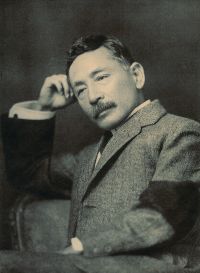 Natsume Sōseki
John Addington SymondsKatharine Haviland-TaylorEdmund G. GardnerAlexandre DumasElizabeth ButlerRobert BrowningEthel M. NaishMrs. JamesonEdward BerdoeFrank Jewett MatherNathaniel Parker WillisRandall DaviesNathaniel HawthorneMrs. Sutherland OrrEstelle M. HurllMary Schell Hoke BaconNatsume Sōseki