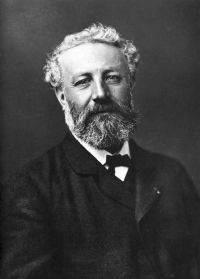
Arthur’s Seat, an extinct volcanic hill in Edinburgh’s Holyrood Park, stands as a geological and cultural landmark, offering panoramic views of the city. Its name, connected to King Arthur’s legends, has inspired literary reflections on myth and history. Robert Louis Stevenson praised its “bold design,” while Walter Scott compared it to a “couchant lion,” and Jules Verne remarked on its modest height of 823 feet.
Authors ranging from M. E. Braddon, who pondered Arthurian monuments, to Eleanor Atkinson, who evoked its green dome as a symbol of youthful longing, have incorporated its imagery into stories of romance, nature, and urban life. This duality—natural marvel and mythic echo—defines its lasting literary presence.
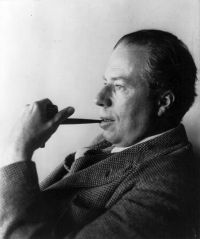 Christopher Morley,
The Eighth Sin — From Arthur's Seat
(1912)
Christopher Morley,
The Eighth Sin — From Arthur's Seat
(1912)