Austin Friars

Definition and stakes

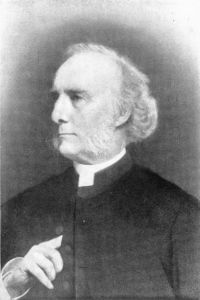
Portrait of Walter Besant Walter Besant,  Mediæval London, Volume 2: Ecclesiastical

“ Austin Friars was essentially a London House. Yet it was never so popular as many other Houses. It appears by an examination of the London Wills that the Austin Friars were not so much regarded by the citizens as, for instance, the Grey Friars; or even as some of the smaller Houses such as Elsyng Spital. It was customary with wealthy and pious persons to leave money to all the orders345 of Friars in the City, and even to every Friar individually. The Augustine Brotherhood are not, it is true, omitted in these pious gifts, but there are few bequests of any value ”
Source: Gutenberg

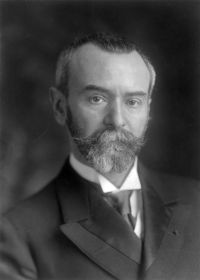
Portrait of Edward Cuthbert Butler Edward Cuthbert Butler,  1911 Encyclopædia Britannica, Volume 11… (1911)

“ In England the chief orders of friars were distinguished by the colour of their habit: thus the Franciscans or Minors were the Grey Friars; the Dominicans or Preachers were the Black Friars (from their black mantle over a white habit) , and the Carmelites were the White Friars (from their white mantle over a brown habit) : these, together with the Austin Friars or Hermits, formed the four great mendicant orders—Chaucer’s “alle the ordres foure.” Besides the four great orders of friars, the Trinitarians (q.v.) , though really canons, were in England called Trinity Friars or Red Friars ”
Source: Wikisource

Susan Swain Madders,  Rambles in an Old City

“ The Black Friars, or Preachers, White Friars, or Carmelites, Grey Friars, or Minors, and the Austin Friars, all had at one period, from the thirteenth century to the era of the Reformation, large establishments within its precincts; besides which, there was a nunnery, and divers hospitals, as they were called, such as the Chapel of the Lady in the Fields, Norman’s Spital, and Hildebrand’s Hospital ”
Source: Gutenberg

Get perspective with Kwize: daily news enlightened by great literature