Baiame

Definition and stakes

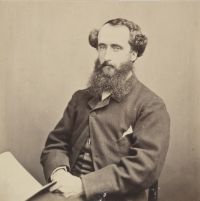
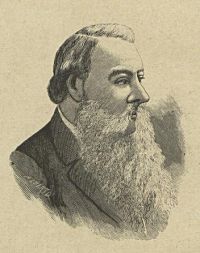
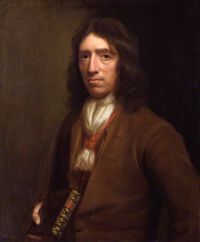
Timothy Coghlan, John Gregory, William Arnold and Ronald McNeill,  1911 Encyclopedia Britannica (1911)

“ The only idea of a god known to be entertained by them seems to be that of the Euahlayi and Kamilaori tribe, Baiame, a gigantic old man lying asleep for ages, with his head resting on his arm, which is deep in the sand. He is expected one day to awake and eat up the world. Researches go to show that Baiame has his counterpart in other tribes, the myth varying greatly in detail. But the Australians are distinguished by possessing elaborate initiatory ceremonies. Circumcision of one or two kinds was usual in the north and south, but not in Western Australia or on the Murray river. ”
Source: Wikisource

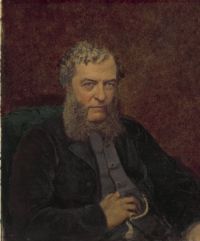
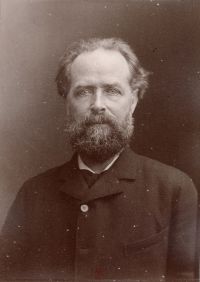
Portrait of Robert Brough Smyth Robert Brough Smyth,  The Aborigines of Victoria (1878)

“ I.—Baiame.
"Baiame" (pronounced like the three words "By-a-me," and in the Wellington district south of the Namoi "By-a-my") is the name by which tribes scattered over a great portion of the north-west and west of New South Wales designate the Supreme Being. The blacks there who are acquainted with English, if asked what "Baiame" is, reply, "Carbon-massa" i.e., the Great Master; and to further enquiry as to what they and their fathers know of Baiame, they reply that He made earth, and water, and sky, animals and men; that He makes the rain come down, and the grass grow
”
Source: Wikisource

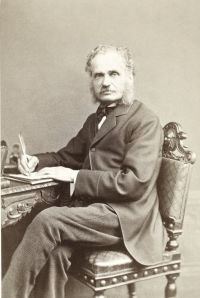
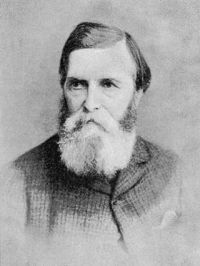
Portrait of Alfred William Howitt Alfred William Howitt,  Native Tribes of South-East Australia (1904)

“ In these statements I easily recognise, although in a distorted form, the familiar features of Baiame and his son Daramulun, Bunjil and his son Binbeal, or Mungan-ngaua and his son Tundun. The first man who ascends to the sky-land is typical of the medicine-man who says that he can ascend to the sky and commune with the "great master." ”
Source: Wikisource

Get perspective with Kwize: daily news enlightened by great literature