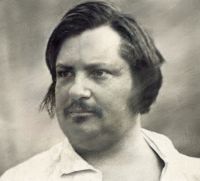
The literary concept of Balthus, as examined in various works, represents a figure associated with themes of mysticism, love, and existential search. Anatole France depicts Balthasar (possibly conflated with Balthus) as a monarch caught between divine wisdom and earthly longing, his journey defined by celestial awe and romantic unrest. In contrast, Robert E.
Howard places Balthus within a raw, mythic realm, where encounters with primal energies provoke both fear and intrigue. These differing portrayals—spanning philosophical reflection to intense fantasy—highlight the theme’s flexibility, demonstrating how Balthus functions as a vehicle for examining human frailty, the appeal of the unfamiliar, and the conflict between logic and yearning.
 Robert E. Howard,
Beyond the Black River
Robert E. Howard,
Beyond the Black River