Battle of Philiphaugh

Definition and stakes

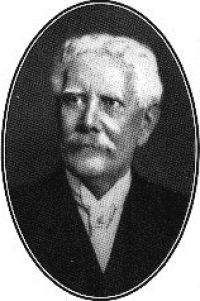
Portrait of H. G. Wells H. G. Wells,  The Outline of History: Being a Plain History of Life and Mankind

“ Philip’s first years of kingship were devoted to the discipline of his army. Hitherto most of the main battle fighting in the world had been done by footmen in formation. In the very ancient Sumerian battle-pieces we see spearmen in close order forming the main battle, just as they did in the Zulu armies of the nineteenth century; the Greek troops of Philip’s time were still fighting in that same style; the Theban phalanx was a mass of infantry holding spears, the hinder ranks thrusting their longer spears between the front-line men. ”
Source: Gutenberg

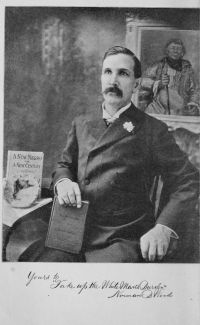
George Sewall Boutwell,  Reminiscences of Sixty Years in Public Affairs… (1902)

“ Immediately after hostilities commenced with Philip the English demanded of Canonchet the surrender of certain Pokanokets alleged to be within his dominions. This was his reply: “Deliver the Indians of Philip! Never. Not a Wampanoag will I ever give up. No. Not the paring of a Wampanoag’s nail.”
He was of course charged with being in alliance with Philip. A force of a thousand men with such Indian allies as could be mustered, was marched immediately into his country. This was the force engaged on the 19th of December in the famous Swamp Fight, the most sanguinary battle of Philip’s War.
”
Source: Wikisource

Get perspective with Kwize: daily news enlightened by great literature