Berne Convention for the Protection of Literary and Artistic Works

Definition and stakes

Fitzgerald, Brian F., Shi, Sampsung Xiaoxiang, Foong, Cheryl, & Pappalardo, Kylie M. Country of Origin and Internet Publication… (2011)

I. INTRODUCTION It is increasingly common for copyright works to be made available to the public for the first time via the Internet. Online publication allows a work to be published simultaneously throughout the world to every country with Internet access. While this is certainly advantageous for the dissemination and impact of information and creative works, it creates potential complications under the Berne Convention for the Protection of Literary and Artistic Works ("Berne Convention") , an international intellectual property agreement to which most countries in the world now subscribe.
Source: Wikisource

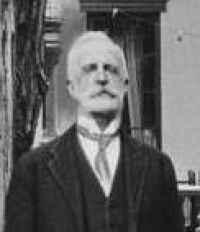
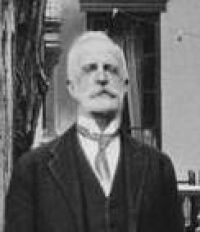
Portrait of R. R. Bowker R. R. Bowker Copyright: Its History and Its Law

When the International Copyright Union was created at Berne in 1886, artistic works were conjoined with literary works under like protection throughout the convention and they were specified (art. IV) as covering "works of design, painting, sculpture, and engraving; lithographs, illustrations, geographical charts; plans, sketches, and plastic works relative to geography, topography, architecture, [Pg 249] or science in general; in fact, every production whatsoever in the ... artistic domain which can be published by any mode of impression or reproduction."
Source: Gutenberg

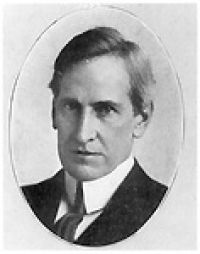
Portrait of R. R. Bowker R. R. Bowker Copyright: Its History and Its Law

It is understood that the authorized photograph [Pg 250] of a protected work of art enjoys legal protection in all the countries of the Union, within the meaning of the Convention of Berne and the present additional act, as long as the principal right of reproduction of this work itself lasts, and within the limits of private conventions between those who have legal rights.
Source: Gutenberg

Get perspective with Kwize: daily news enlightened by great literature