Infringement

Definition and stakes

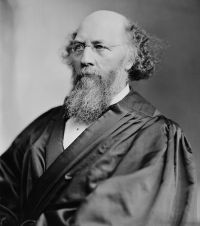
Portrait of R. R. Bowker R. R. Bowker,  Copyright: Its History and Its Law

“ Infringement is a question of fact rather than of intent. It is not a valid defense that the infringer is ignorant; nor, on the other hand, can any one be held for intention to infringe, where the act of infringement [Pg 253] has not been accomplished. The new American code, nevertheless, recognizes knowledge and intent in certain cases of punishment or damages by the use of the words "willfully" and "knowingly." ”
Source: Gutenberg

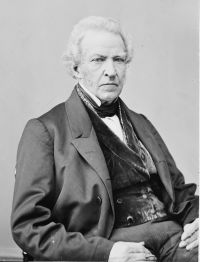
Portrait of Christopher Columbus Langdell Christopher Columbus Langdell,  Classification of Rights and Wrongs…

“ An infringement is not necessarily, indeed, coextensive with the right, but, so far as the infringement goes, the correspondence between it and the right is perfect. In the case of absolute rights, however, i.e., in all cases in which the infringement of the right is an affirmative tort, the correspondence is not between the right and its infringement, but between the latter and a prohibitory command issued by the State for the protection of the right. ”
Source: Wikisource

Get perspective with Kwize: daily news enlightened by great literature