Bois-Doré

Definition and stakes

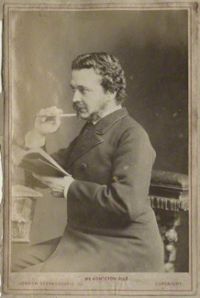
Portrait of George Sand George Sand Les beaux messieurs de Bois-Doré Vol… (1901)

Mario de Bois-Doré—the reader will assume that it is he whom I am describing—was the comeliest cavalier in the whole army. The development of his youthful strength had in no wise diminished the wonderful charm of his noble and intelligent face. His expression was like an angel's in purity; but the sprouting beard reminded one that this youth with the divine glance was but a simple mortal; and that young moustache faintly outlined the curve of a smile, somewhat indifferent, perhaps, but with a cordial kindliness showing through its melancholy.
Source: Gutenberg

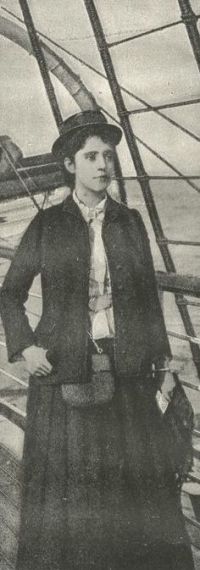
Portrait of George Sand George Sand Les beaux messieurs de Bois-Doré Vol… (1901)

Bois-Doré glanced furtively from the master lying stretched out on the bed, with an air of utter prostration, to the calm, stern, devout servant, whose monkish profile was outlined against the window.
"These are not highwaymen," he thought. "What the devil! this fair, slender young man, with an eye as soft as a girl's—To be sure, this morning when he was angry with the gypsies, and yesterday when he inveighed against the Moors, his expression was less benignant than usual.
Source: Gutenberg

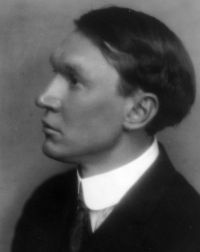
Portrait of George Sand George Sand Les beaux messieurs de Bois-Doré Vol… (1901)

No man is great in the eyes of his valet de chambre, witness Sancho Panza who told his master such sound truths. But Bois-Doré, who was simply an excellent man, enjoyed the privilege of being a demi-god in the eyes of his servant; and, while some heroes have been the laughing-stock of their retainers, this laughable old man was taken quite seriously by the majority of his.
Source: Gutenberg

Get perspective with Kwize: daily news enlightened by great literature