Book of Micah

Definition and stakes

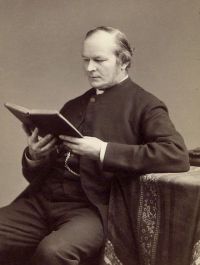
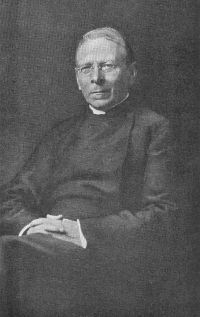
Portrait of George Adam Smith George Adam Smith The Expositor's Bible: The Book of the Twelve Prophets…

We see, then, the value of Micah's prophecy for his own day. Has it also any value for ours—especially in that aspect of it which must have appealed to the hearts of those for whom chiefly Micah arose? "Is it wise to paint the Messiah, to paint Christ, so much as a working-man? Is it not much more to our purpose to remember the general fact of His humanity, by which He is able to be Priest and Brother to all classes, high and low, rich and poor, the noble and the peasant alike? Is not the Man of Sorrows a much wider name than the Man of Labour?"
Source: Gutenberg

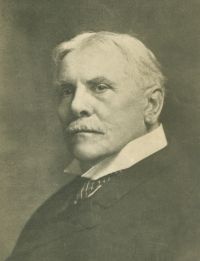
Portrait of F. W. Farrar F. W. Farrar The Expositor's Bible: The Second Book of Kings

Thus Micah sees in imagination the terrible march of the invader by Gath, Akko, Beth-le-Aphrah, Maroth, Lachish, and Adullam. He plays with bitter anguish on the name of each town as an omen of humiliation and ruin, and calls on Zion to make herself bald for the children of her delight, and to enlarge her baldness as the vultures, because they are gone into captivity. [502] He turns fiercely on the greedy grandees, the false prophets, the blood-stained princes, the hireling priests, the bribe-taking soothsayers, who were responsible for the guilt which should draw down the vengeance.
Source: Gutenberg

Collier's New Encyclopedia — Micah (1921)

The most natural division of the book is into three sections, ch. i.-ii., iii.-v., and vi.-vii., each beginning with a formula calling on the people to hear (i: 2, iii: 1, vi: 1) . Passages in Micah resemble others in Isaiah (see Micah iv: 1-5 and Isa. ii: 1-5) . Micah is quoted or alluded to in Matt. ii:5, 6; x: 35, 36; Mark xiii: 12; Luke xii: 53; John vii: 42. The canonical authority of the book has never been doubted.
Source: Wikisource

Get perspective with Kwize: daily news enlightened by great literature