Book of Zechariah

Definition and stakes

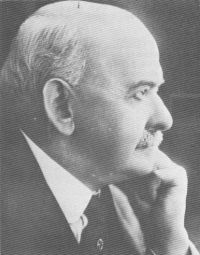
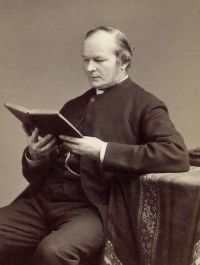
Portrait of F. W. Farrar F. W. Farrar,  The Expositor's Bible: The Second Book of Kings

“ The priest's murder may have been due to an outburst of passion on the part of the king's friends, or of the king himself—gentle as his character seems to have been—without being the act of black ingratitude which late traditions represented it to be. The legend about Zechariah's blood represents the priest's spirit as so ruthlessly unforgiving as to awaken the astonishment and even the rebukes of the Babylonian idolater. Such a legend could hardly have arisen in the case of a man who was other than a most formidable opponent. ”
Source: Gutenberg

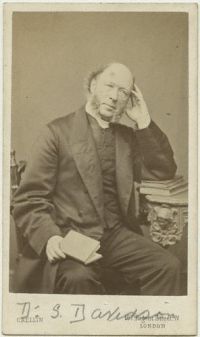
Portrait of George Adam Smith George Adam Smith,  The Expositor's Bible: The Book of the Twelve Prophets…

“ Most of all, it is felt that the hard struggle with the forces of nature is over, and the people are exhorted to the virtues of the civic life. [740] They have time to lift their eyes from their work and see the nations coming from afar to Jerusalem. [741]
These features leave no room for doubt that the great bulk of the first eight chapters of the Book of Zechariah are by the prophet himself, and from the years to which he assigns them, November 520 to December 518.
”
Source: Gutenberg

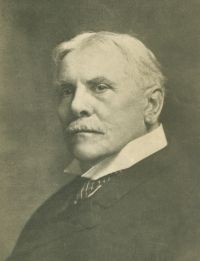
Portrait of George Adam Smith George Adam Smith,  The Expositor's Bible: The Book of the Twelve Prophets…

“ Yet this only increases our problem—why a man with such gifts of direct speech, and such clear views of his people’s character and history, should choose to express the latter by an imagery so artificial and involved? In his orations Zechariah is very like the prophets whom we have known before the Exile, thoroughly ethical and intent upon the public conscience of his time. He appreciates what they were, feels himself standing in their succession, and is endowed both with their spirit and their style. ”
Source: Gutenberg

Get perspective with Kwize: daily news enlightened by great literature