British port

Definition and stakes

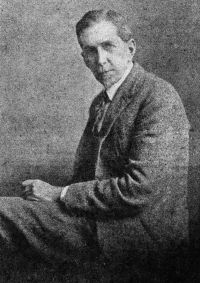
Portrait of A. Hyatt Verrill A. Hyatt Verrill,  In the wake of the buccaneers

“ How different was the Port Royal of olden days—a flourishing, noisy, hustling town of several thousand houses, of thousands of inhabitants, of great warehouses filled almost to bursting, of busy shipyards and a “hard” whereon always a dozen vessels might be seen careened; a port before which scores of armed ships rode ever at anchor; a place whose people were as familiar with the Jolly Roger as with the British ensign; and withal the notorious rendezvous of the English buccaneers. ”
Source: Gutenberg

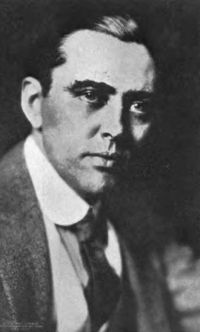
Portrait of Julian Street Julian Street,  Mysterious Japan

“ Even the little launches from which the port authorities board you as you lie in the harbour are not quite like the launches seen elsewhere, and though the great stone pier, to which at last you are warped in, might of itself fit the picture of a British seaport, the women and children waiting on the pier, trotting along beside the ship as she moves slowly to her berth, waving and smiling up at friends on deck, are costumed in inevitable suggestion of great brilliant flower-gardens agitated by the wind. ”
Source: Gutenberg

Benedict William Ginsburg,  1911 Encyclopædia Britannica (1911)

“ Royal William " from Canada in 1833, and the desirability of seriously attacking the problem of ocean navigation was apparent to the minds of shipping men in the three great British ports of London, Liverpool and Bristol, Three companies were almost simultaneously organized: the British & American Steam Navigation Company, which made the Thames its headquarters; the Atlantic Steamship Company of Liverpool; and the Great Western Steamship Company of Bristol. Each company set to work to build a wooden paddle steamer in its own port. ”
Source: Wikisource

Get perspective with Kwize: daily news enlightened by great literature