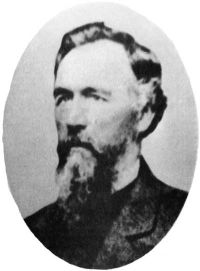
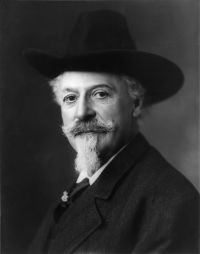
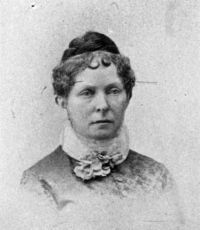
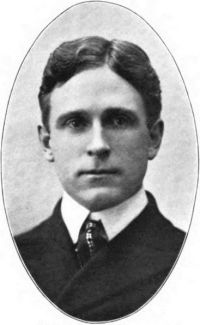
Buffalo Bill, the American frontiersman and showman (1846–1917), epitomized the mythos of the Old West through his dual roles as a bison hunter and theatrical impresario. William Frederick Cody’s life, marked by frontier exploits and the founding of Buffalo Bill’s Wild West, became a cultural touchstone, blending fact and fiction. Authors like Prentiss Ingraham portrayed him as a moral arbiter in dime novels, while John M.
Burke emphasized his evolution from scout to stage icon, highlighting his self-crafted legend. These narratives, whether romanticizing his courage or examining his performative identity, collectively solidified Buffalo Bill as a symbol of a vanishing era, bridging the rugged frontier and the spectacle of 19th-century entertainment.
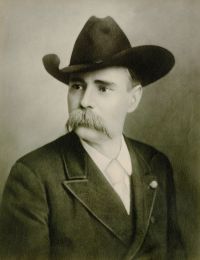 Prentiss Ingraham,
Buffalo Bill's Big Surprise; Or…
Prentiss Ingraham,
Buffalo Bill's Big Surprise; Or…