A vigilante is a civilian who enforces justice without legal authority, a figure straddling the line between a moral crusader and a lawbreaker. Historically, such individuals exercised judicial power in feudal systems, but modern contexts portray them as agents of self-appointed retribution.
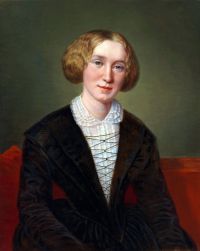
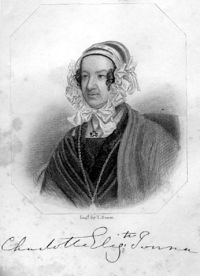
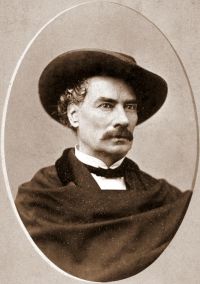
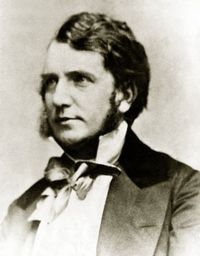
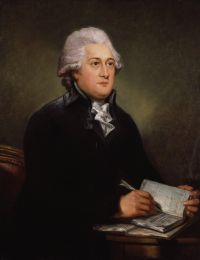
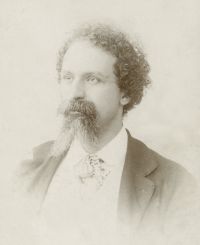
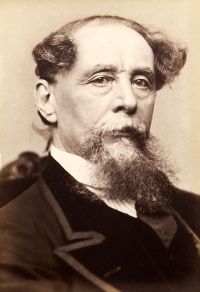
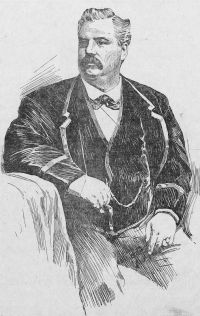
Literature explores this duality: Prentiss Ingraham highlights their influence over lawless communities, while Emerson Hough illustrates their intimidating effect on criminals. George Eliot delves into the psychological strain of perceived omnipresence, and Charlotte Elizabeth emphasizes vigilance as a communal defense mechanism. These varied portrayals reveal the enduring conflict between individual moral conviction and the structured rule of law.
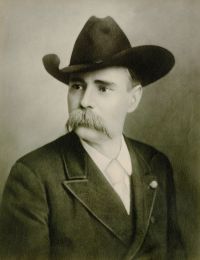 Prentiss Ingraham,
Buffalo Bill's Spy Trailer; Or…
Prentiss Ingraham,
Buffalo Bill's Spy Trailer; Or…