Cacus

Definition and stakes

Felix Dahn,  A Struggle for Rome, v. 1

“ Wachis drew nearer with a threatening look.
"I only said," said Cacus, slowly receding, "that I must first eat my millet. The beast may wait. In our country men come before beasts."
"Indeed, thou dunce!" said Wachis, as he killed the gadflies; "in our country the horse eats before the rider! Make haste!"
But Cacus was strong and obstinate; he tossed his head and said:
"Here, we are in our country, and our customs must be followed."
"Oho, thou cursed blockhead! wilt thou obey?" asked Wachis, raising his hand.
"Obey? Not thee! Thou art only a slave like me.
”
Source: Gutenberg

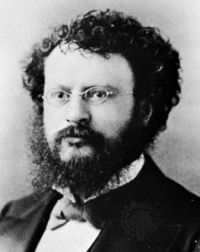
Portrait of John Fiske John Fiske,  Myths and Myth-Makers

“ While he is taking his repose, the three-headed monster Cacus, a son of Vulcan and a formidable brigand, comes and steals his cattle, and drags them tail-foremost to a secret cavern in the rocks. But the lowing of the cows arouses Hercules, and he runs toward the cavern where the robber, already frightened, has taken refuge. Armed with a huge flinty rock, he breaks open the entrance of the cavern, and confronts the demon within, who vomits forth flames at him and roars like the thunder in the storm-cloud. ”
Source: Gutenberg

Portrait of Ignatius Donnelly Ignatius Donnelly,  Ragnarok : the Age of Fire and Gravel

“ That is to say, the heat of the fire from heaven sucks up the waters until rivers and lakes are dried up: Cacus steals the cows of Hercules; and then again they fall, deluging and overturning the earth, piling it into Mountains in one place, says the Tupi legend, and digging out valleys in another. And God buries men in the caves in which they sought shelter. ”
Source: Gutenberg

Get perspective with Kwize: daily news enlightened by great literature