Cagots

Definition and stakes

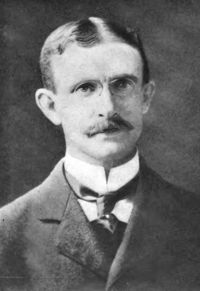
Bernard Capes,  Our Lady of Darkness

“ Not all scapegoats could so triumph physically through long traditions and experiences of suffering. These Cagots—they might have come from the loins of the wandering Jew.
He walked back to Théroigne, his heart even a little less than before inclined to her. She held away from him somewhat, as if he were contaminated.
“A fraternity, extending the hand of brotherhood,” he said—repeating some words of hers uttered before the Cagot had intervened—“to whom was mademoiselle about to say? to all, without exception?”
”
Source: Gutenberg

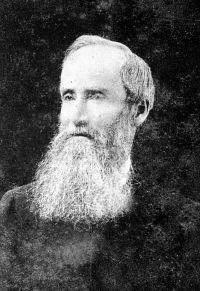
Portrait of Edwin Asa Dix Edwin Asa Dix,  A Midsummer Drive Through the Pyrenees

“ This was the despised entrance set apart for that singular race, the Cagots. The Cagots were a once-distinct tribe dwelling in corners of all these Pyrenean valleys, similar to the Cacous or Caqueux of Brittany and Auvergne, and for some reason held as outcasts and in universal detestation. The popular abhorrence of them was phenomenal. Their origin is not known: of Goths, Alans, Moors, Jews, Egyptians, each theory has had its propounder. Even the taint of descent from lepers has been ascribed to them. But whoever their ancestors, the people would none of them. ”
Source: Gutenberg

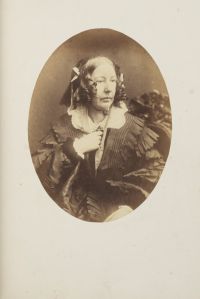
Portrait of Elizabeth Cleghorn Gaskell Elizabeth Cleghorn Gaskell,  Round the Sofa

“ If he had not taken such decided steps, say the oldest inhabitants, there is no knowing what might have happened.
From the thirteenth to the end of the nineteenth century, there are facts enough to prove the universal abhorrence in which this unfortunate race was held; whether called Cagots, or Gahets in Pyrenean districts, Caqueaux in Brittany, or Yaqueros Asturias. The great French revolution brought some good out of its fermentation of the people: the more intelligent among them tried to overcome the prejudice against the Cagots.
”
Source: Gutenberg

Get perspective with Kwize: daily news enlightened by great literature