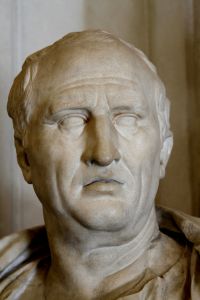
Cato the Elder

Definition and stakes

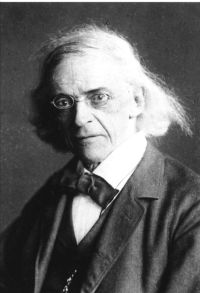
Portrait of Theodor Mommsen Theodor Mommsen,  The History of Rome (Volumes 1-5…

“ The picture, which has been handed down to us of the life of Cato the Elder, enables us in substance to perceive how, according to the ideas of the respectable burgesses of that period, the private life of the Roman should be spent. Active as Cato was as a statesman, pleader, author, and mercantile speculator, family life always formed with him the central object of existence; it was better, he thought, to be a good husband than a great senator. ”
Source: Gutenberg

The New Student's Reference Work (1914)

“ Ca′to, Marcus Porcius, called Cato the Younger, the great-grandson of the elder Cato, was born at Rome in 95 B. C., and committed suicide in North Africa in 46 B. C. When only 14 years old, he went with his tutor one day to call upon Sulla, and, seeing the heads of several famous men, who had been put to death by the tyrant, carried away from the house, he asked why some one did not kill him. His tutor answering that no one dared to do so, he exclaimed that he would do it himself, if he would give him a sword. He greatly admired his great-grandfather, and took him as his model in life. ”
Source: Wikisource

Familiar Quotations

“ Apophthegms of Kings and Great Commanders. Pelopidas.
Cato the elder wondered how that city was preserved wherein a fish was sold for more than an ox.
Roman Apophthegms. Cato the Elder.
Cato instigated the magistrates to punish all offenders, saying that they that did not prevent crimes when they might, encouraged them. [734:2] Of young men, he liked them that blushed better than those who looked pale.
Roman Apophthegms. Cato the Elder.
[735]
Cato requested old men not to add the disgrace of wickedness to old age, which was accompanied with many other evils.
”
Source: Gutenberg

Get perspective with Kwize: daily news enlightened by great literature