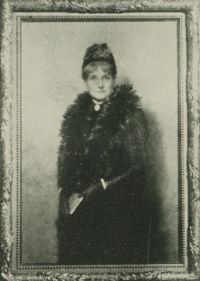
Cesare Lombroso (1835–1909), an Italian criminologist and psychiatrist, pioneered the theory of criminal atavism, suggesting that criminals could be identified by physical characteristics indicating a regression to a more primitive state. His work, Criminal Man, categorized offenders into groups such as "born criminals" and "criminaloids," focusing on inherited predispositions.
Gina Lombroso, in her analysis, emphasized the emotional drivers behind criminal behavior, pointing out that such individuals often acted out of idealism or love, challenging the idea of innate wickedness. Although his theories were criticized for their biological determinism, Lombroso's impact continues to be felt at the intersection of criminology, psychiatry, and social theory.
 Gina Lombroso,
Criminal Man, According to the Classification of Cesare Lombroso
Gina Lombroso,
Criminal Man, According to the Classification of Cesare Lombroso