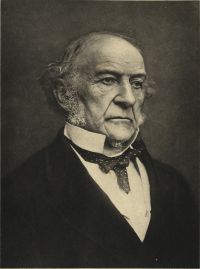
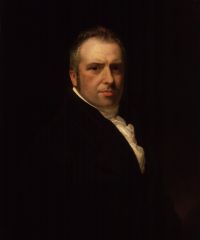
The Chancellor of the Exchequer, a senior UK minister and head of the Treasury, is responsible for fiscal policy, taxation, and public expenditure, serving as one of the four Great Offices of State. With origins in medieval financial administration, the role has transformed from a largely ceremonial post into a central pillar of modern governance, second only to the Prime Minister. Writers such as W.E.
Gladstone highlighted its role in financial management, while John Bright commended its dedication to national service. Luke Owen Pike observed its shift from judicial to political responsibilities, illustrating its evolving influence in shaping economic strategy. The position’s lasting significance stems from its combination of tradition and flexibility, effectively merging historical foundations with present-day economic demands.
 George A. Birmingham,
The Red Hand of Ulster — Chapter 14
(1912)
George A. Birmingham,
The Red Hand of Ulster — Chapter 14
(1912)