Chancery Lane

Definition and stakes

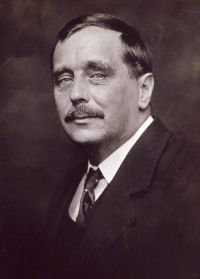
Portrait of H. G. Wells H. G. Wells The Door in the Wall, and Other Stories

Some business had detained me in Chancery Lane until nine in the evening, and thereafter, having some inkling of a headache, I was disinclined either for entertainment or further work. So much of the sky as the high cliffs of that narrow canon of traffic left visible spoke of a serene night, and I determined to make my way down to the Embankment, and rest my eyes and cool my head by watching the variegated lights upon the river. Beyond comparison the night is the best time for this place
Source: Gutenberg

W. Roberts The Book-Hunter in London

Theophilus Noble, who had removed from 114, Chancery Lane, was at 79, Fleet Street for some years until his death in 1851, and a member of the same family is still a second-hand bookseller opposite St. Mary-le-Strand [226] Church. Reeves and Turner removed from Noble's old house in Chancery Lane, to the house on the west side of Temple Bar and adjoining it on the north, erected on the site of the famous old bulk-shop, the last of its race, where at one time Crockford, 'Shell-fishmonger and gambler,' lived.
Source: Gutenberg

Leopold Wagner Names: and Their Meaning; A Book for the Curious

Chancery Lane is a corruption of “Chancellor’s Lane,” originally containing the court and official residence of the Lord High Chancellor. Southampton Buildings occupy the site of Southampton House, which witnessed the death of Thomas, the last Earl of Southampton, Lord Treasurer of Charles II. Those sorry tenements, Chichester Rents supply the place of the old town mansion of the Bishops of Chichester. Lincoln’s Inn Fields are situated on the east side of the Inn, [272] or mansion, of Henry de Lacey, Earl of Lincoln, in the fourteenth century [see Inns of Court] .
Source: Gutenberg

Get perspective with Kwize: daily news enlightened by great literature