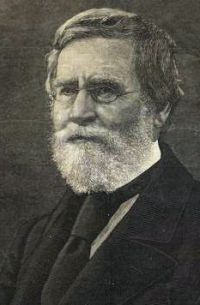
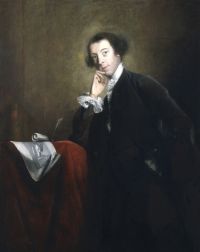
Charles Watson-Wentworth, 2nd Earl of Bute

Definition and stakes

Thomas Gordon Cato's Letter No. 76 — The same Subject continued (1722)

Nor is a people to be told, that such as want to be trusted with extraordinary power of any kind, have always been enemies to arbitrary power; for so are all men when they have it not, and expect no advantage from it. Who was a greater patriot than Sir Thomas Wentworth? And who was a more arbitrary minister than Thomas Wentworth, Earl of Strafford? All men are for confining power when it is over them
Source: Wikisource

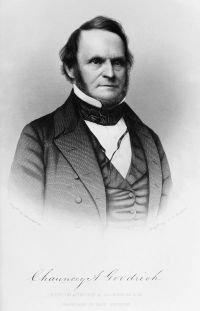
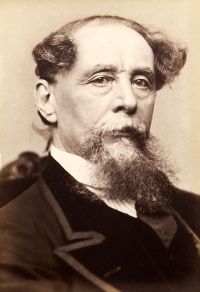
Portrait of John Cassell John Cassell Cassell's Illustrated History of England (1865)

He boldly demanded an earl's coronet, on account of these services, which, however, Charles deferred for awhile, thinking that he should hold such a man to his work rather by the hope than he possession of high preferment. Wentworth was so delighted with his overriding the Irish parliament, that he proposed to the king to merely prorogue and not dissolve it, as being the most convenient instrument for effecting his further designs on the country. But Charles would not listen to it, remarking that parliaments were like cats, they ever grew cursed with age.
Source: Wikisource

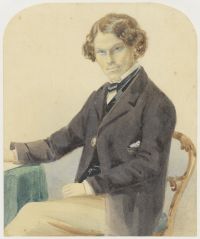
Mary Louisa Boyle Biographical catalogue of the portraits at Weston…

Thomas Wentworth, Earl of Strafford, was declared guilty of high treason. On this sad passage, the saddest of all in Charles’s sad life, we need not dwell long. He had pledged his royal word to his noble friend, ‘You shall not suffer in honour, in fortune, or in life.’ Yet after some hesitation and delay, weeping all the time, he signed the death-warrant, laying up for himself hours of deep remorse during the few years he survived. The generous prisoner wrote to his master, indeed, to absolve him from his promise
Source: Gutenberg

Get perspective with Kwize: daily news enlightened by great literature