Charles of Valois

Definition and stakes

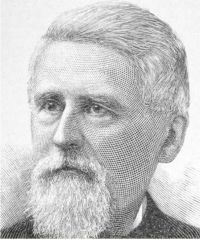
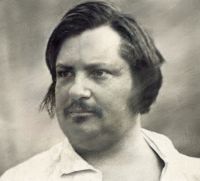
Portrait of Anatole France Anatole France The Life of Joan of Arc, Vol. 1 and 2

King Charles of Valois bestows universal pardon and is willing to forget all wrongs. The English and [Pg i.465] French, having turned to contrition and repentance, are endeavouring to conclude a good and binding peace. The Maid herself has imposed conditions upon them. Conforming to her will, the English and French for one year or for two will wear a grey habit, with a little cross sewn upon it; on every Friday they will live on bread and water; they will dwell in unity with their wives and will seek no other women.
Source: Gutenberg

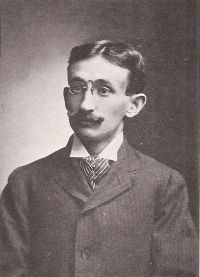
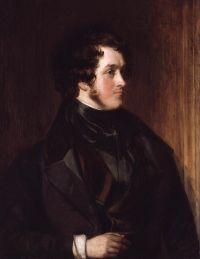
Portrait of Hilaire Belloc Hilaire Belloc Avril: Essays on the French Renaissance… (1904)

Such is the whole line, but look at this one Valois and you see all the qualities of his race toned by a permanent sadness down to a good and even temper, not hopeful but still delighting in beauty and possessed as no other Valois had been of charity. Less passionate and therefore much less eager and useful than most of his race, yet the taint of madness never showed in him, nor the corresponding evil of cruelty, nor the uncreative luxury of his immediate ancestry. All the Valois were poets in their kind; his life by its every accident caused him to write.
Source: Wikisource

Portrait of Anatole France Anatole France The Life of Joan of Arc, Vol. 1 and 2

Whosoever persists in error is a heretic; whosoever essays and fails to overthrow the powers that be is a rebel. It was God's will that in 1440 Charles of Valois should possess the city of Paris; it had not been God's will in 1429; wherefore the Maid had striven against God. With equal bitterness would the University, in 1440, have proceeded against a Maid of the English.
The magistrates who had returned to their Paris homes from their long dreary exile at Poitiers sat in the Parlement side by side with the converted Burgundians.
Source: Gutenberg

Get perspective with Kwize: daily news enlightened by great literature