Cimourdain

Definition and stakes

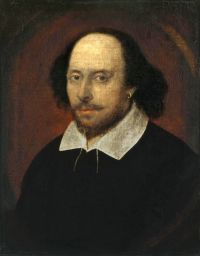
Portrait of Victor Hugo Victor Hugo Ninety-Three (1874)

Cimourdain was one of those men who have a voice within them, and who listen to it. Such men seem absent-minded; they are not; they are all attention.
Cimourdain knew everything and nothing. He knew everything about science, and nothing at all about life. Hence his inflexibility. His eyes were bandaged like Homer's Themis. He had the blind certainty of the arrow, which sees only the mark and flies to it. In a revolution, nothing is more terrible than a straight line. Cimourdain went straight ahead, as sure as fate.
Cimourdain believed that, in social geneses, the extreme point is the solid earth;
Source: Wikisource

Portrait of Victor Hugo Victor Hugo Ninety-Three (1874)

Cimourdain was a pure-minded but gloomy man. He had "the absolute" within him. He had been a priest, which is a solemn thing. Man may have, like the sky, a dark and impenetrable serenity; that something should have caused night to fall in his soul is all that is required. Priesthood had been the cause of night within Cimourdain. Once a priest, always a priest.
Whatever causes night in our souls may leave stars. Cimourdain was full of virtues and truth, but they shine out of a dark background.
Source: Wikisource

Portrait of Victor Hugo Victor Hugo Ninety-Three

The dungeon was dark and silent. Taking one step forward in the gloom, he placed the lantern on the ground and stood still. The even breathing of a sleeping man could be heard through the darkness. Cimourdain stood dreamily listening to this peaceful sound.
On the truss of straw at the farther end of the dungeon lay Gauvain sound asleep. It was his breathing that he heard.
Cimourdain moved as noiselessly as possible, and when he had drawn near, he fixed his eyes upon Gauvain; no mother gazing upon her sleeping infant could have worn a look more unutterably tender.
Source: Gutenberg

Get perspective with Kwize: daily news enlightened by great literature