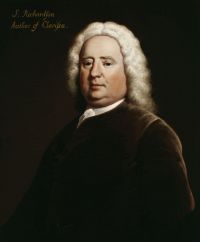
"Clarissa," an 18th-century epistolary novel by Samuel Richardson, is a seminal work exploring themes of virtue, familial conflict, and personal autonomy. Published in 1748, it follows Clarissa Harlowe, a virtuous young woman trapped by her family’s social aspirations and forced into a disastrous relationship with the manipulative Lovelace. The novel’s intricate structure, composed of letters, underscores the psychological and moral tensions of its characters.
While Richardson’s own text frames Clarissa as a paragon of resilience, other authors like Sarah Fielding and the Duchess reinterpreted her legacy, contrasting her serene dignity with Lovelace’s ruinous excesses. Samuel Mines and others reimagined her as an intellectual or romantic figure, highlighting her enduring resonance. The novel’s legacy, recognized by the BBC and The Guardian as a literary cornerstone, lies in its unflinching portrayal of power dynamics and moral fortitude, shaping centuries of narrative exploration.