Classical Greece

Definition and stakes

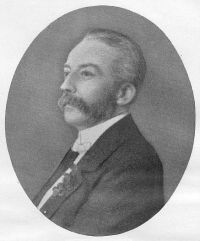
Portrait of Richard Claverhouse Jebb Richard Claverhouse Jebb,  The Cambridge Modern History, Volume 1… (1902)

“ The creative mind of ancient Greece was the greatest originating force which the world has seen. It left typical standards of form in poetry and prose, as of plastic beauty in art. Ideas which sprang from it have been fruitful in every province of knowledge. The ancient Latin mind also, which received the lessons of Greece without losing its own individuality, was the parent of master-works which bear its character, and of thoughts which are altogether its own ”
Source: Wikisource

George Glasgow,  The Minoans (1923)

“ He did not know that there actually lived a King Minos in Crete, and that his palace, standing on a hill at Knossos, was built, if not of marble, at any rate of stone.
Up to the last half-century the whole story of classical Greece, as taught in the schools and in the Universities, was regarded as something original, as the beginning of things springing suddenly, like the mythical Athene, into life. The sculpture, architecture, philosophy, oratory, and drama of the fifth century B.C., were accepted unquestioningly and with awe as the spontaneous first-fruits of Greek genius.
”
Source: Gutenberg

John Lord,  Beacon Lights of History, Volume 01…

“ Even our present civilization delights in the masterpieces of the classical poets, historians, orators, and essayists, and seeks to rival them. Long before Christianity became a power the great literary artists of Greece had reached perfection in style and language, especially in Athens, to which city youths were sent to be educated, as to a sort of university town where the highest culture was known. Educated Romans were as familiar with the Greek classics as they were with those of their own country, and could talk Greek as the modern cultivated Germans talk French. ”
Source: Gutenberg

Get perspective with Kwize: daily news enlightened by great literature