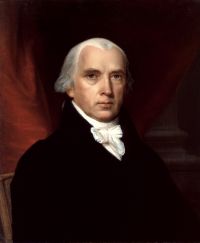
Constitution of Massachusetts

Definition and stakes

Jonathan Elliot Debates in the Several State Conventions on the Adoption of the Federal Constitution (1907)

I ask, What is any future thing that we devise more than probable? What more is another constitution? All agree that we must have one; and it is easy to perceive that such a one as the majority of the people approve must be submitted to by this state; for what right have an eighth or tenth part of the people to dictate a government for the whole? It comes to this point, therefore: Is any method more likely to induce the people of the United States to concur with Massachusetts, than that proposed by your excellency?
Source: Wikisource

Portrait of Charles Sumner Charles Sumner Charles Sumner: his complete works…

The Constitution of Massachusetts, dating from 1780, embodied the same principle in memorable words: “In the government of this Commonwealth, the legislative department shall never exercise the executive and judicial powers, or either of them; the executive shall never exercise the legislative and judicial powers, or either of them; the judicial shall never exercise the legislative and executive powers, or either of them: to the end it may be a government of laws and not of men.”
Source: Gutenberg

Essays on the Constitution of the United States

That federal convention have assembled together, and after a full investigation of the different concerns of the Union, have proposed a form of government, calculated to support, and transmit, inviolate, to the latest posterity, all the blessings of civil and religious liberty.
Citizens of Massachusetts! consider, O consider well, these important matters, and weigh them deliberately in the scale of reason! Consider at what a vast expense of toil, difficulty, treasure and blood, you have emancipated yourselves from the yoke of bondage, and established yourselves an independent people!
Source: Gutenberg

Get perspective with Kwize: daily news enlightened by great literature