The concept of "Cosmo," derived from the Greek kosmos, refers to the ordered universe or harmonious whole, encompassing both physical and metaphysical aspects. Writers have long wrestled with its implications: Humboldt explored humanity’s growing understanding of the cosmos as an integrated system, while Hugo imagined unseen realms existing alongside the visible.
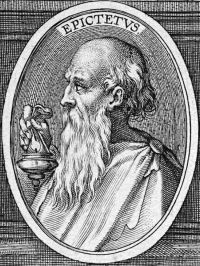
Epictetus viewed the cosmos as a power guiding all existence, from natural elements to human forms, and Comfort associated cosmic awareness with transcendent unity. These viewpoints, ranging from science, philosophy, to spirituality, highlight a persistent intrigue with the cosmos as both a structural foundation and a deep enigma, illustrating humanity’s effort to harmonize the finite with the infinite.