Cro-Magnon

Definition and stakes

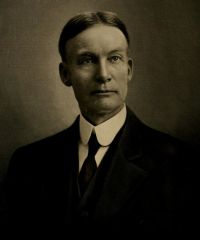
Portrait of A. L. Kroeber A. L. Kroeber,  Anthropology (1923)

“ The Cro-Magnon race is not only within the human species, but possibly among the ancestors of modern Europeans. While Neandertal man is still Homo Neandertalensis—the genus of living man, but a different species—the Cro-Magnon type is Homo sapiens—that is, a variety of ourselves. The age is that of the gradual, fluctuating retreat of the glaciers—the later Cave period of the Old Stone Age: the Upper Palæolithic, in technical language, comprising the Aurignacian, the Solutrean, and the Magdalenian (§ 70) . ”
Source: Gutenberg

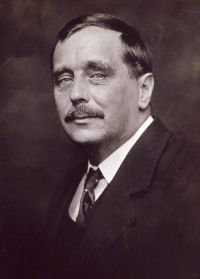
Portrait of Madison Grant Madison Grant,  The passing of the great race; or… (1916)

“ The Cro-Magnon race persisted through the entire Upper Paleolithic, during the periods known as the Aurignacian, Solutrean and Magdalenian, from 25,000 to 10,000 B. C. While it is possible that the blood of this race enters somewhat into the composition of the peoples of western Europe, its influence cannot be great and the Cro-Magnons—the Nordics of their day—disappear from view with the advent of the warmer climate of recent times. ”
Source: Gutenberg

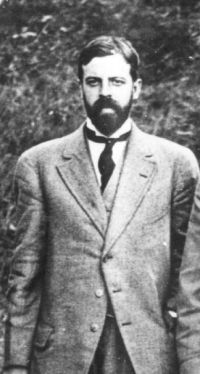
R. R. Marett,  Anthropology

“ The Cro-Magnon head-form is refined and highly developed. The forehead is high, and the chin shapely, whilst neither the brow-ridge nor the lower jaw protrudes as in the Neanderthal type. Whether this race survives in modern Europe is, as was said in the last chapter, highly uncertain. In certain respects—for instance, in a certain shortness of face—these people present exceptional features; though some think they can still find men of this type in the Dordogne district. ”
Source: Gutenberg

Get perspective with Kwize: daily news enlightened by great literature