Diwali

Definition and stakes

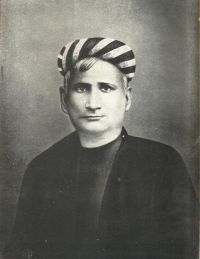
Portrait of Behramji Malabari Behramji Malabari,  Gujarát and the Gujarátis — Holidays (1882)

“ Next to her marriage day and the day on which she becomes a mother, Diwáli is the most welcome occasion to the Hindu female. The poor weary heart has then some glimpses of light and sunshine; it is full of song and sweetness, and of the thousand little charities peculiar to her sex. Two days after the Diwáli is the Bhaubij day, a holiday reminding you of patriarchal times and customs. On this day all members of the family are drawn towards the warmth of the family hearth; brothers gone to other towns on business, sisters gone to their husbands, uncles, nephews, aunts, nieces, all meet at home. ”
Source: Wikisource

R. V. Russell,  The Tribes and Castes of the Central Provinces of India…

“ This is the period of the rains, when the crops are growing and the gods are said to go to sleep, and it is observed more or less as a time of abstinence and fasting. The Hindus should properly abstain from eating sugarcane, brinjals, onions, garlic and other vegetables for the whole four months. On the 12th of Kārtik the marriage of Tulsi or the basil plant with the Sāligrām or ammonite representing Vishnu is performed and all these vegetables are offered to her and afterwards generally consumed. Two days afterwards, beginning from the 14th of Kārtik, comes the Diwāli festival. ”
Source: Gutenberg

Get perspective with Kwize: daily news enlightened by great literature