Holi

Definition and stakes

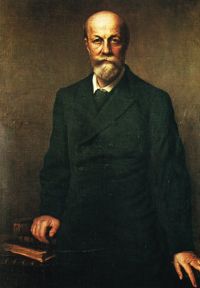
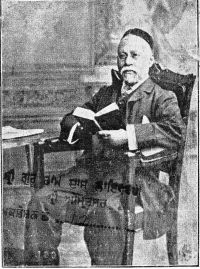
Portrait of Behramji Malabari Behramji Malabari,  Gujarát and the Gujarátis — The Unholy Holi (1882)

“ Holi is not a holy institution wholly, but it is a jolly holiday nevertheless. It is the season of free love and free language, not only among the Vaishnavas, but the lower castes of Gujarát, the Saturnalia of indecent song, the high carnival of mad carousal. It is the season of rang and rág, which two innocent-looking monosyllables the High Court Translator may translate as "red paint and music," but which, in reality, mean the luxuries of love's embrace, the sporting of Káma [1] and Rati. [2] The origin of Holi has been a subject of ardent speculation by philosophers and theosophists. ”
Source: Wikisource

A. M. T. Jackson,  Folk Lore Notes. Vol. I—Gujarat

“ Women whose children die in infancy observe a vow of remaining standing on the Holi day. When the Holi is lighted they worship the fire, after which they may sit down and take their [171] meal. It is believed that the observance of this vow ensures long life to children.49
Although the Holi itself falls on the full-moon day of Fālgun the rejoicings connected with it commence from the first day of that month. The principal feature of the rejoicings consists in indulging in indecent and vulgar songs and language. Vulgar songs or fāgs in honour of the goddess Holi are also sung.
”
Source: Gutenberg

Get perspective with Kwize: daily news enlightened by great literature