Dryburgh Abbey

Definition and stakes

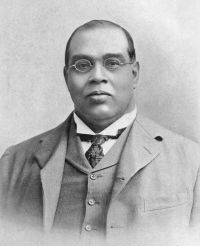
Portrait of Romesh Chunder Dutt Romesh Chunder Dutt,  Three Years in Europe, 1868 to 1871 (1896)

“ From Abbotsford we went to Scott's tomb at Dryburgh about four miles from Melrose, and six or seven miles from Abbotsford. The Dryburgh Abbey is hardly second to any other building that I have yet seen in the degree of veneration which it inspires by its hoary antiquity and its aspect of desolated grandeur. It is said to have been built in the 12th century. Gloomy cypresses, and the yet more gloomy yew trees, some of them said to be as ancient as the Abbey itself, have overshaded these ivy-covered ruins, and seem befitting sentinels to guard this scene of hoary desolation. ”
Source: Wikisource

H. Claiborne Dixon,  The Abbeys of Great Britain

“ The new church is particularly interesting inasmuch as it shows how the Scots still held to the round arch long after the remainder of their architecture had become thoroughly Gothic in character, for not only is the 13th century door of the monks built with a round arch, though with purely Gothic mouldings and capitals, but the 14th century west door, built after the burning of the abbey by Richard II., is the same.
Dryburgh has been associated with many men eminent in their own walk of life: Abbot Oliver, Royal ambassador to England
”
Source: Gutenberg

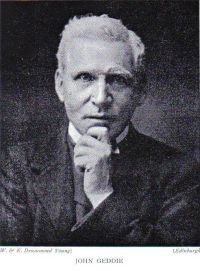
Portrait of John Geddie John Geddie,  The Scott Country

“ DRYBURGH ABBEY: THE TOMB OF SIR WALTER SCOTT
29
It is, however, in its situation and in its happy blending with its immediate surroundings that Dryburgh is chiefly distinguished from its compeers. It is secluded from the world, on the margin of the wide stream; hidden among woods and overlooked by hills. To reach it you have to circumvent rivers and climb up and down steep braes. The easiest way of approach is by crossing Lessudden Bridge, from the south bank of the Tweed above the tower of Littledean.
”
Source: Gutenberg

Get perspective with Kwize: daily news enlightened by great literature