Earl of Shrewsbury

Definition and stakes

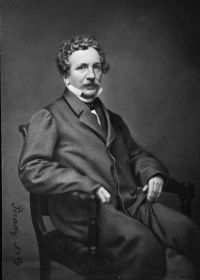
Portrait of Leslie Stephen Leslie Stephen Dictionary of National Biography… (1898)

On 26 July 1538 he succeeded his father as fifth Earl of Shrewsbury. The greater part of Shrewsbury's life was spent on the Scottish borders; in 1542 he was serving under the Duke of Norfolk, and in April 1544 he was appointed captain of the rear squadron of Hertford's fleet and commander of the rear-guard of his army [see Seymour, Edward, first Duke of Somerset] . On 10 June he was named lieutenant-general of the north, in succession to Hertford.
Source: Wikisource

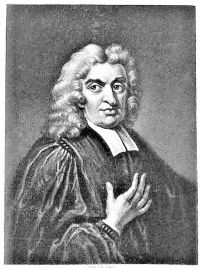
Portrait of John Cassell John Cassell Cassell's Illustrated History of England (1865)

Though the Earl of Shrewsbury had proved himself so safe a gaoler, Elizabeth was continually in terror lest the much-vaunted fascinations of the Scottish queen should seduce him from his duty. She was always urging fresh vigilance, always devising fresh measures of safety, and placing spies on all his actions, not only in the neighbourhood, but in his very establishment. The unfortunate nobleman, with all his houses, could not be said to possess a home, or a moment's privacy.
Source: Wikisource

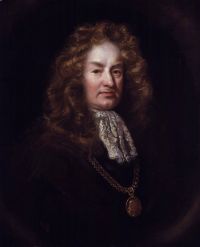
Portrait of Leslie Stephen Leslie Stephen Dictionary of National Biography… (1894)

On the accession of William Rufus, Ralph, like the other border barons, joined in the great rising of April 1088, of which Roger of Montgomery, then Earl of Shrewsbury, was one of the main leaders. He was among those who attacked the city of Worcester and were repulsed through the action of Bishop Wulfstan (Flok. Wig. ii. 24) . But the tide of war soon flowed from the Welsh march to Kent and Sussex, and when the Earl of Shrewsbury reconciled himself with the king, Mortimer probably followed the same course.
Source: Wikisource

Get perspective with Kwize: daily news enlightened by great literature