Emily Dickinson

Definition and stakes

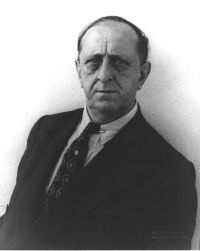
Portrait of Marsden Hartley Marsden Hartley Adventures in the Arts

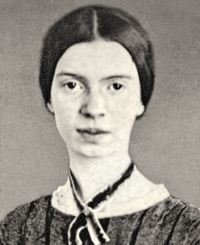
Emily Dickinson confronts you at once with an instinct for poetry, to be envied by the more ordinary and perhaps more finished poets. Ordinary she never was, common she never could have been, for she was first and last aristocrat in sensibility, rare and untouchable if you will, vague and mystical often enough, unapproachable and often distinctly aloof, as undoubtedly she herself was in her personal life. Those with a fondness for intimacy will find her, like all recluses, forbidding and difficult, if not altogether terrifying the mind with her vagueries and peculiarities.
Source: Gutenberg

Portrait of Marsden Hartley Marsden Hartley Adventures in the Arts

I find when I take up Emily Dickinson, that I am sort of sunning myself in the discal radiance of a bright, vivid, and really new type of poet, for she is by no means worn of her freshness for us, she wears with one as would an old fashioned pearl set in gold and dark enamels.
Source: Gutenberg

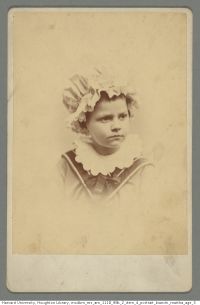
Portrait of Martha Dickinson Bianchi Martha Dickinson Bianchi The Life and Letters of Emily Dickinson (1924)

There could have been little in the social life of Amherst seventy years ago to thrill a being like Emily Dickinson. Yet from eighteen to twenty-three she was a social creature in the highest sense, though she complains of often wearying of their house crowded daily with rich and poor, high and low, who came—and so rarely went—as a matter of course, without any warning or invitation, after the manner of that hospitable period, when gig or chariot might turn in at the great gate at any hour, depositing guests for a meal or the night or a long visit as it might happen.
Source: Wikisource

Get perspective with Kwize: daily news enlightened by great literature