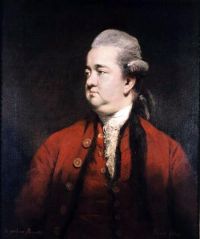
Emperor Valens

Definition and stakes

John Lord,  Beacon Lights of History, Volume 04…

“ In the year 378 the Emperor Valens himself was slain, almost under the walls of his capital, with two-thirds of his army,--some sixty thousand infantry and six thousand cavalry,--while the victorious Goths, gorged with spoils, advanced to take possession of the defeated and crumbling Empire. From the shores of the Bosporus to the Julian Alps nothing was seen but conflagration, murders, and depredations, and the cry of anguish went up to heaven in accents of almost universal despair.
In such a crisis a great man was imperatively needed, and a great man arose.
”
Source: Gutenberg

Portrait of Philip Schaff Philip Schaff,  Nicene and Post-Nicene Fathers… (1885)

“ For who does not know how, during the time when the Emperor Valens was roused against the churches of the Lord, that mighty champion of ours rose by his lofty spirit superior to those overwhelming circumstances and the terrors of the foe, and showed a mind which soared above every means devised to daunt him? Who of the dwellers in the East, and of the furthest regions of our civilized world did not hear of his combat with the throne itself for the truth? ”
Source: Wikisource

J. N. Larned,  History for ready reference, Volume 2…

“ But the host of the barbarians was continually increased by fresh reinforcements from beyond the Danube. Even their own ferocious enemies, Huns and Alans, were permitted to join their standard. Yet, in face of this fact, the folly and jealousy of the Emperor Valens led him to stake all on the chances of a battle which he made haste to rush into, when he learned that his nephew Gratian was marching to his assistance from the west. He coveted the sole honors of a victory; but death and infamy for himself and an overwhelming calamity to the empire were what he achieved. ”
Source: Gutenberg

Get perspective with Kwize: daily news enlightened by great literature