England and Wales

Definition and stakes

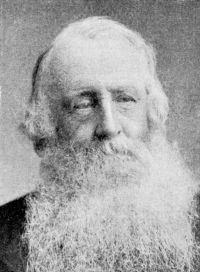
W. Watkin Davies,  Wales (1925)

“ The fact that Wales looked upon the Tudor monarchs as Welsh people, and upon their supremacy as a victory of Wales over England. The Union marks the beginning of a new and better chapter in the history of Wales. The Principality shook itself free from the fetters of the Middle Ages, and took its place, shoulder to shoulder, with England as a democratic self-governing country. ”

Source: Gutenberg

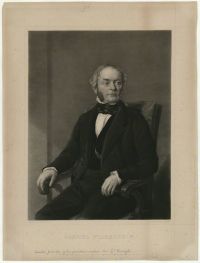
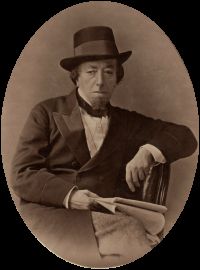
Portrait of Sir Owen Morgan Edwards Sir Owen Morgan Edwards,  A Short History of Wales (1906)

“ Edward thought that Britain ought to be united: Llywelyn thought Wales ought to be free. Now,happily, we have the union and the freedom.
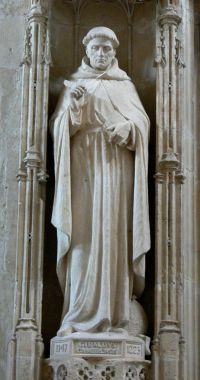
On the other hand, I should not like you to think that Wales was more barbarous than England, or Llywelyn less civilised than Edward I. Giraldus Cambrensis saw a prince going barefoot, and the fussy little Archbishop Peckham saw that Welsh marriage customs were not what he liked; and many historians, who have never read a line of Welsh poetry, take for granted that the conquest of Wales was a new victory for civilisation.
”
Source: Wikisource

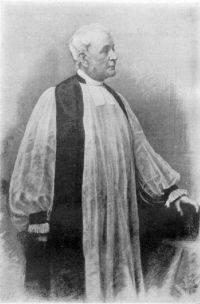
Henry Salusbury Milman,  Archaeologia (1860)

“ That part of our national history which concerns Wales in its relation to England especially requires such illustration.
The political geography of Wales belongs and is confined to the period of its separate political existence; which, however, did not terminate so early as is generally assumed. Wales indeed finally submitted to the English power in the reign of Edward I., but it never became part of the English Realm until that of Henry VIII. It was then annexed by the English Legislature, [1] and politically merged in the united Realm of England and Wales.
”
Source: Wikisource

Get perspective with Kwize: daily news enlightened by great literature