English countryside

Definition and stakes

Charles F. G. Masterman,  The condition of England (1909)

“ The beauty of English landscape is the beauty of “landlords’ country”—the open woods, the large grass fields and wide hedges, the ample demesnes, which signify a country given up less to industry than to opulence and dignified ease. The one is a park: the other, a source of food supply and the breeding-place of men. The typical English countryside is that of great avenues leading to residences which lack no comfort, broad parks, stretches of private land, sparsely cultivated, but convenient for hunting, shooting, and a kind of stately splendour. ”
Source: Gutenberg

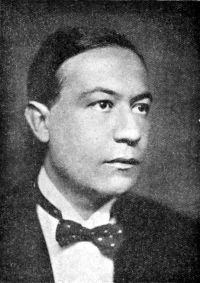
Portrait of Richard Le Gallienne Richard Le Gallienne,  Vanishing Roads and Other Essays

“ But the English countryside is not all greenness and softness, blossomy lanes, moated granges, and idyllic villages. It by no means always suggests the gardener, the farmer, or the gamekeeper. It is rich, too, in wildness and solitude, in melancholy fens and lonely moorlands. To the American accustomed to the vast areas of his own enormous continent, it would come as a surprise to realize that a land far smaller than many of his States can in certain places give one so profound a sense of the wilderness. ”
Source: Gutenberg

Portrait of Hugh Walpole Hugh Walpole,  Jeremy and Hamlet

“ Behind the church stretched a lovely champaign of the gentlest, most English countryside: hills, green as brightly coloured glass, rising smoothly into the blue, little valleys thickly patched with trees, cottages from whose stumpy chimneys smoke was already rising, cows and sheep, and in the distance the joyful barking of a dog, the only sound in all that early scene save the curling whisper of the tide. ”
Source: Gutenberg

Get perspective with Kwize: daily news enlightened by great literature