First Sino-Japanese War

Definition and stakes

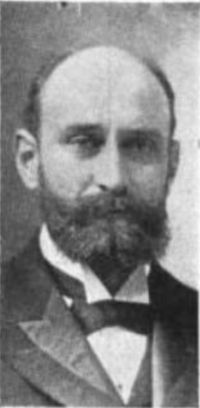
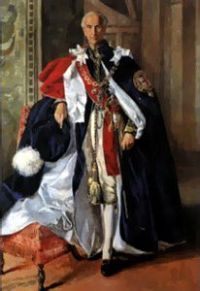
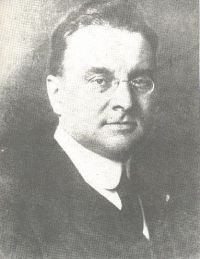
Portrait of Bertrand Russell Bertrand Russell,  The Problem of China

“ It would be easy to quote statements by eminent men to the effect that Japan is the greatest of all nations. But the same could be said of the eminent men of all other nations down to Ecuador. It is the acts of the Japanese rather than their rhetoric that must concern us.
The Sino-Japanese war of 1894-5 concerned Korea, with whose internal affairs China and Japan had mutually agreed not to interfere without first consulting each other. The Japanese claimed that China had infringed this agreement. Neither side was in the right; it was a war caused by a conflict of rival imperialisms.
”
Source: Gutenberg

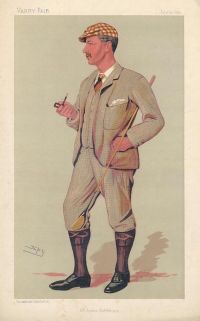
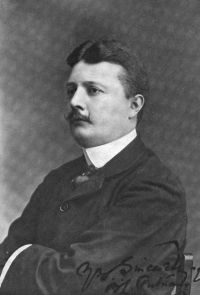
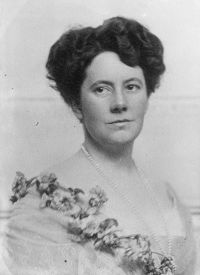
Portrait of Louise Jordan Miln Louise Jordan Miln,  Quaint Korea

“ But it is China who is fighting against fearful odds now. And yet I venture to think that in the long run Japan will lose more, gain less than her adversary. The Chinese are slow to anger. They are slower to forgive. They are not fond of withdrawing from any position they have taken. They are not prone to look at things through the eyes of others. They are not easy to convince. The Chinese in things military are shockingly behind the times, and the Japanese are splendidly up-to-date. But there are qualities that are, in the long run, more apt to win an Oriental war than being up-to-date. ”
Source: Gutenberg

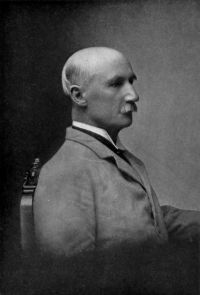
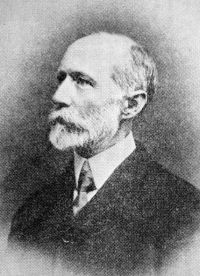
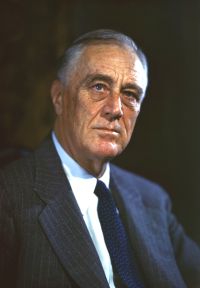
Portrait of Franklin Roosevelt Franklin Roosevelt,  Fireside Chat

“ First, in such a case, we could no longer send aid of any kind to China—to the brave people who, for nearly five years, have withstood Japanese assault, destroyed hundreds of thousands of Japanese soldiers and vast quantities of Japanese war munitions. It is essential that we help China in her magnificent defense and in her inevitable counteroffensive—for that is one important element in the ultimate defeat of Japan. ”
Source: Wikisource

Get perspective with Kwize: daily news enlightened by great literature