Four Winds

Definition and stakes

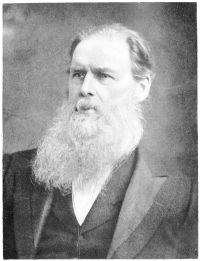
Portrait of Edward B. Tylor Edward B. Tylor,  Primitive culture, vol. 1 (of 2… (1871)

“ The myth of the Four Winds is developed among the native races of America with a range and vigour and beauty scarcely rivalled elsewhere in the mythology of the world. Episodes belonging to this branch of Red Indian folklore are collected in Schoolcraft’s ‘Algic Researches,’ and thence rendered with admirable taste and sympathy, though unfortunately not with proper truth to the originals, in Longfellow’s masterpiece, the ‘Song of Hiawatha.’ The West Wind Mudjekeewis is Kabeyun, Father of the Winds, Wabun is the East Wind, Shawondasee the South Wind, Kabibonokka the North Wind. ”
Source: Gutenberg

Portrait of Edward B. Tylor Edward B. Tylor,  Primitive culture, vol. 2 (of 2… (1871)

“ In the polytheism of the lower as of the higher races, the Wind-gods are no unknown figures. The Winds themselves, and especially the Four Winds in their four regions, take name and shape as personal divinities, while some deity of wider range, a Wind-god, Storm-god, Air-god, or the mighty Heaven-god himself, may stand as compeller or controller of breeze and gale and tempest. ”
Source: Gutenberg

Portrait of Algernon Blackwood Algernon Blackwood,  Jimbo: A Fantasy

“ Before starting for a flight he must always carefully consider the state of the sky, and the direction in which he wished to go. For this purpose he must master the meaning and character of the Four Winds and be able to recognise them in a moment.
"Once you know these," she said, "you cannot possibly go wrong. To make it easier, I've put each Wind into a little simple rhyme, for you."
"I'm listening," he said eagerly.
"The North Wind is one of the worst and most dangerous, because it blows so much faster than you think. It's taken you ten miles before you think you've gone two.
”
Source: Gutenberg

Get perspective with Kwize: daily news enlightened by great literature