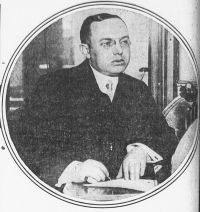
The Franco-Prussian War (1870–1871) was a decisive conflict between the Second French Empire and the Prussia-led German states, fueled by France’s wish to preserve its dominance on the continent and Prussia’s goal to unite Germany. Historians such as Clarence W. Barron emphasize Prussia’s strategic skill in uniting the German states through warfare, while Agnes Repplier criticizes the post-war indifference toward Europe’s growing militarization.
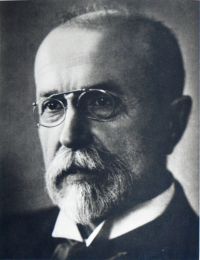
Writers like George Barton and Armgaard Karl Graves focus on the mystery surrounding France’s rapid defeat, contrasting it with the Prussian army’s thorough readiness. Hilaire Belloc points out German diplomatic errors, and Tomáš Garrigue Masaryk considers the Allied reaction to Prussian militarism. These viewpoints together demonstrate the war’s significant impact on reshaping European power structures, solidifying Germany’s emergence and France’s political revival, while leaving lasting influences on literature and global diplomacy.
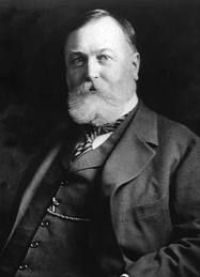 Clarence W. Barron,
The Audacious War