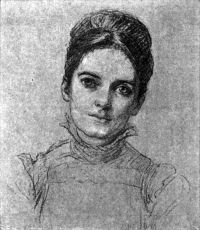
François de Montmorency

Definition and stakes

1911 Encyclopædia Britannica, Volume 18… (1911)

From the barons of Fosseux, a branch of the Montmorency family established in Brabant in the 15th century, sprang the seigneurs de Boutteville, among whom was the duellist François de Montmorency-Boutteville, who was beheaded in 1627. His son, François Henri, marshal of France, became duke of Piney-Luxemburg by his marriage with Madeleine Charlotte Bonne Thérèse de Clermont, daughter of Marguerite Charlotte de Luxemburg, duchesse de Piney. Charles François Frédéric, the son of the marshal, was created duke of Beaufort in 1688 and duke of Montmorency in 1689.
Source: Wikisource

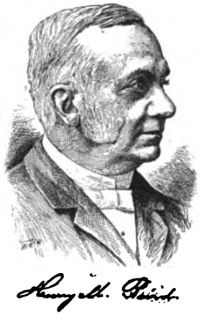
Portrait of François Guizot François Guizot A Popular History of France from the Earliest Times…

After the deaths of Louise of Savoy, of Chancellor Duprat, of La Tremoille, of La Palice, and of all the great warriors who fell at the battle of Pavia, it was still one more friend of Francis I.‘s boyhood, Anne de Montmorency, who remained, in council as well as army, the most considerable and the most devoted amongst his servants. In those days of war and discord, fraught with violence, there was no man who was more personally rough and violent than Montmorency.
Source: Gutenberg

Portrait of François Guizot François Guizot A Popular History of France from the Earliest Times…

The prince signed everything; then he set out for Tours, which the king had assigned for his residence, receiving on the way, from town to town, all the honors that would have been paid to his Majesty himself. M. de Montmorency remained in prison.
“He awaited death with a resignation which is inconceivable,” says the author of his Memoires; “never did man speak more boldly than he about it; it seemed as if he were recounting another’s perils when he described his own to his servants and his guards, who were the only witnesses of such lofty manliness.”
Source: Gutenberg

Get perspective with Kwize: daily news enlightened by great literature