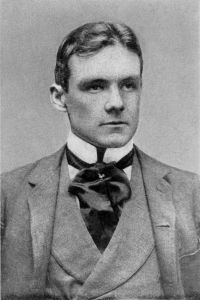
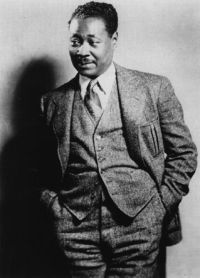
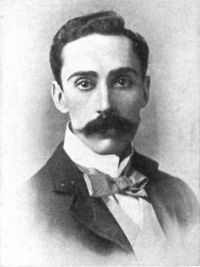
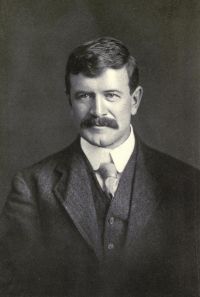
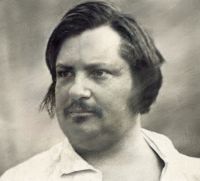
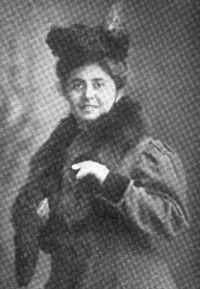
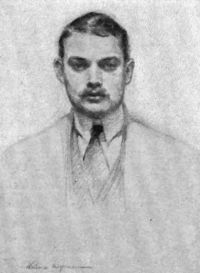
Montmartre, a historic district in Paris, has long symbolized artistic bohemia and social contrast. Authors such as Alvan F. Sanborn captured its springtime idyll, where painters and their companions flourished in shared creativity, while Frank L. Emanuel highlighted its dual character—as both a place of merriment and deep compassion for hardship.
Richard Harding Davis contrasted its lively nightlife with the pressures of youthful ambition, and Claude McKay examined its performative charm, setting it against Paris’s wider modernity. These diverse viewpoints reveal Montmartre as a microcosm of cultural vitality, where artistic expression and social conflict coexist, shaping its lasting literary significance.