Grange (organization)

Definition and stakes

Ernest R. Groves,  Rural Problems of Today

“ This society, popularly known as the Grange, affords contact with outside organizations, but it also takes a very practical and sane interest in its own community. No movement has done more to conserve the best of country life; no organization has in the country maintained so sincere a democracy. Unlike most secret societies, it has made a family appeal and has interested husband, wife, and children. It has taken a constructive attitude toward legislation of importance to farmers, and rural life has certainly become greatly indebted to its efficient socializing efforts. ”
Source: Gutenberg

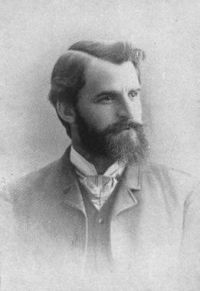
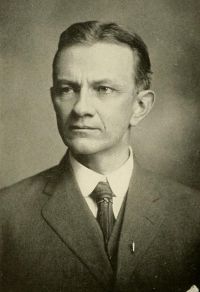
Portrait of Kenyon L. Butterfield Kenyon L. Butterfield,  Chapters in Rural Progress

“ We emphatically and sincerely assert the oft-repeated truth taught in our organic law, that the Grange—national, state, or subordinate—is not a political or party organization. No Grange, if true to its obligations, can discuss political or religious questions, or call political conventions, or nominate candidates, or even discuss their merits at its meetings.
We always bear in mind that no one, by becoming a Patron of Husbandry, gives up that inalienable right and duty which belongs to every American citizen, to take a proper interest in the politics of his country.
”
Source: Gutenberg

Various,  Encyclopaedia Britannica, 11th Edition…

“ In this movement there were three periods, popularly known as Granger, Alliance and Populist.
The Grange, or Order of the Patrons of Husbandry (the latter the official name of the national organization, while the former was the name of local chapters, including a supervisory National Grange at Washington) , was a secret order founded in 1867 to advance the social needs and combat the economic backwardness of farm life. It grew remarkably in 1873-1874, and in the latter year attained a membership of perhaps 800,000.
”
Source: Gutenberg

Get perspective with Kwize: daily news enlightened by great literature