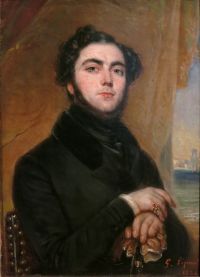
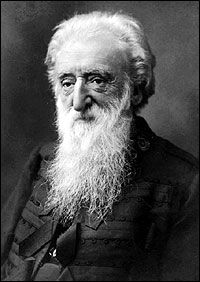
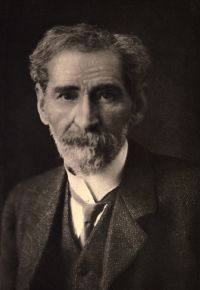
Husbandry, the practice of cultivating land and managing agricultural resources, has long served as a metaphor and subject in literature, symbolizing human labor, stewardship, and the cyclical rhythms of nature. From John Burroughs’ poetic reflection on farming as a lens for life’s struggles—planting, reaping, and the interplay of toil and reward—to Eugène Sue’s portrayal of rural economies organized around collective work and shared output, the theme highlights both practical concerns and communal ideals.
Plato envisioned ideal societies grounded in agrarian virtue, while Brigham Young underscored the careful maintenance of tools as a sign of discipline. These diverse viewpoints, ranging from philosophy and fiction to instructional texts, reveal husbandry as a link between physical survival and broader existential or moral contemplation.
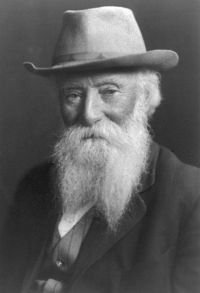 John Burroughs,
Literary values and other papers
(1902)
John Burroughs,
Literary values and other papers
(1902)