Agrarianism

Definition and stakes

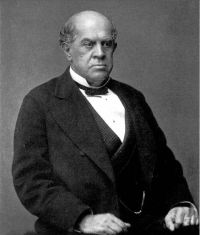
Portrait of Charles Stanton Devas Charles Stanton Devas,  Catholic Encyclopedia (1913)

“ Agrarianism.—The Latin word agrarius was applied historically to laws, or their partisans, favouring the division of Roman public lands among the poorer citizens. So the English words, agrarianism, and agrarian generally, imply theories and movements intended to benefit the poorer classes of society by dealing in some way with the ownership of land or the legal obligations of the cultivators. ”

Source: Wikisource

Portrait of Charles A. Beard Charles A. Beard,  Contemporary American History, 1877-1913

“ The old contest between agrarianism and capitalism now took on a new vigor. [9]
On the side of the masses involved in the transition this economic revolution meant an increasing proportion of wage workers as contrasted with agriculturalists, owning and operating their farms, and with handicraftsmen. This increase is shown by the following table, giving the number of wage earners in manufacturing alone:
In terms of social life, this increase in wage workers meant, in the first place, a rapid growth of city populations.
”
Source: Gutenberg

Portrait of Edward Bellamy Edward Bellamy,  Equality — Chapter XXXIII. Several important matters overlooked (1897)

“ Their fancies in this respect have, however, until the present time, been mocked by the actual conditions of agriculture, which have combined to make the lot of the farmer, the sustainer of all the world, the saddest, most difficult, and most hopeless endured by any class of men. From the beginning of the world until the last century the tiller of the soil has been the most pathetic figure in history. In the ages of slavery his was the lowest class of slaves. ”
Source: Wikisource

Get perspective with Kwize: daily news enlightened by great literature